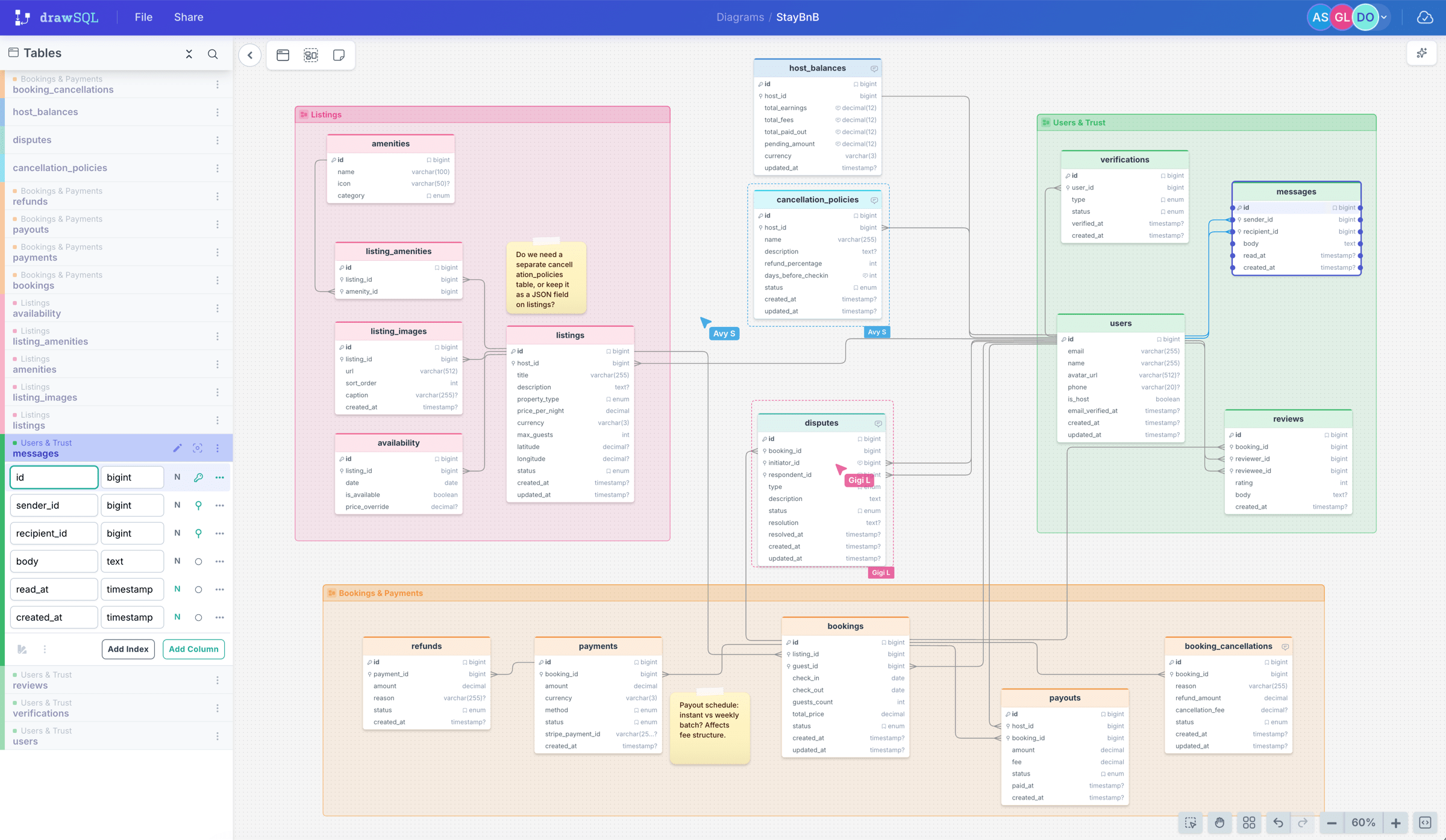
I recently stumbled upon Drawsql while searching for a more efficient way to visualize and collaborate on database schemas. As someone who frequently navigates the world of SQL, the concept of importing SQL directly to create an interactive schema diagram caught my attention. I knew I had to dive deeper into this tool to see if it really lived up to its promise.
From the moment I landed on the Drawsql homepage, I was intrigued by its clean interface and straightforward functionality. The idea of real-time collaboration was particularly appealing, especially as my work often involves teams where communication is key. The opportunity to visualize SQL in a way that everyone can understand is a game changer, and I was eager to see how it could streamline my workflow.
With little to no signup required and a promise of free use, I felt encouraged to give it a try. As I began to explore, I quickly realized that Drawsql has the potential to enhance both individual productivity and team collaboration significantly.
First Impressions
My first impression of Drawsql was overwhelmingly positive. The user interface is intuitive, making it accessible even for those who may not be tech-savvy. I was able to import my SQL with minimal hassle and start creating a schema diagram almost immediately. The interactive nature of the diagrams allows you to zoom in and out, click on various elements, and see relationships between tables in a way that a static diagram simply cannot achieve.
Another aspect that stood out to me was the focus on collaboration. The ability for team members to view and make changes in real time is invaluable, especially when working on complex projects with multiple contributors. I could already envision our team brainstorming sessions transformed into productive discussions centered around the visual representation of our database schema.
Overall, my initial experience left me excited to explore more features and capabilities of Drawsql.
Quality and What You Get
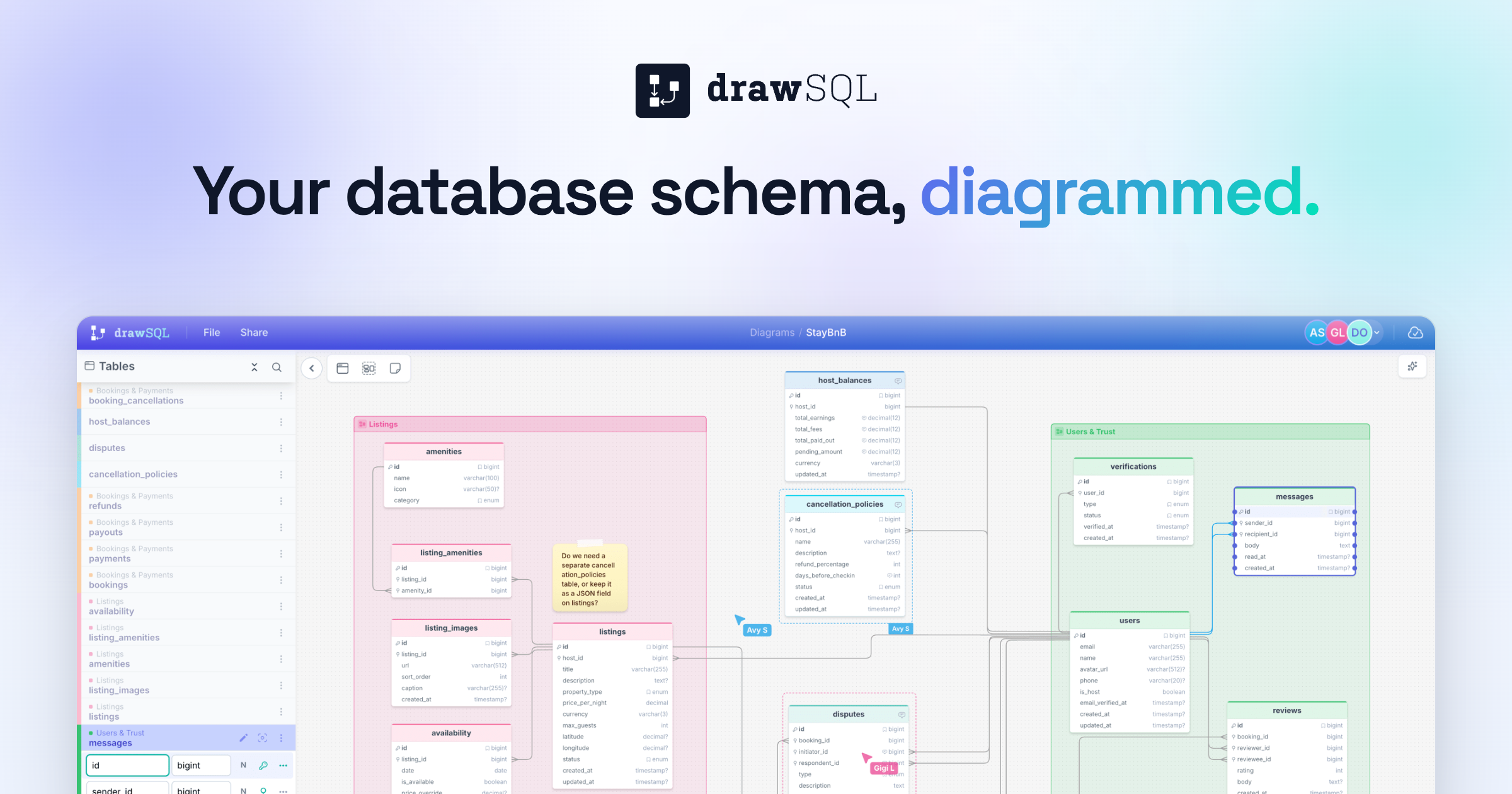
Drawsql provides high-quality outputs that visually represent your database schema. The interactive diagrams are clean and well-structured, making it easy to understand even the most complex relationships between different elements of your database. This clarity enhances communication within teams, as everyone can see the same visual representation and provide input.
One of the standout features is the driver-aware types, which ensures that the diagrams are tailored to the specific SQL database being used. This level of detail is critical for ensuring accuracy and relevance in any development project. Additionally, the tool supports real-time collaboration, enabling multiple users to work on the same diagram simultaneously. It's a powerful feature that can facilitate discussions and expedite the review process.
The fact that Drawsql is free and requires no upfront commitment makes it a low-risk option for anyone looking to improve their database visualization process. This accessibility is a significant plus, especially for small teams or startups that need effective tools without breaking the bank.
Real-World Experience
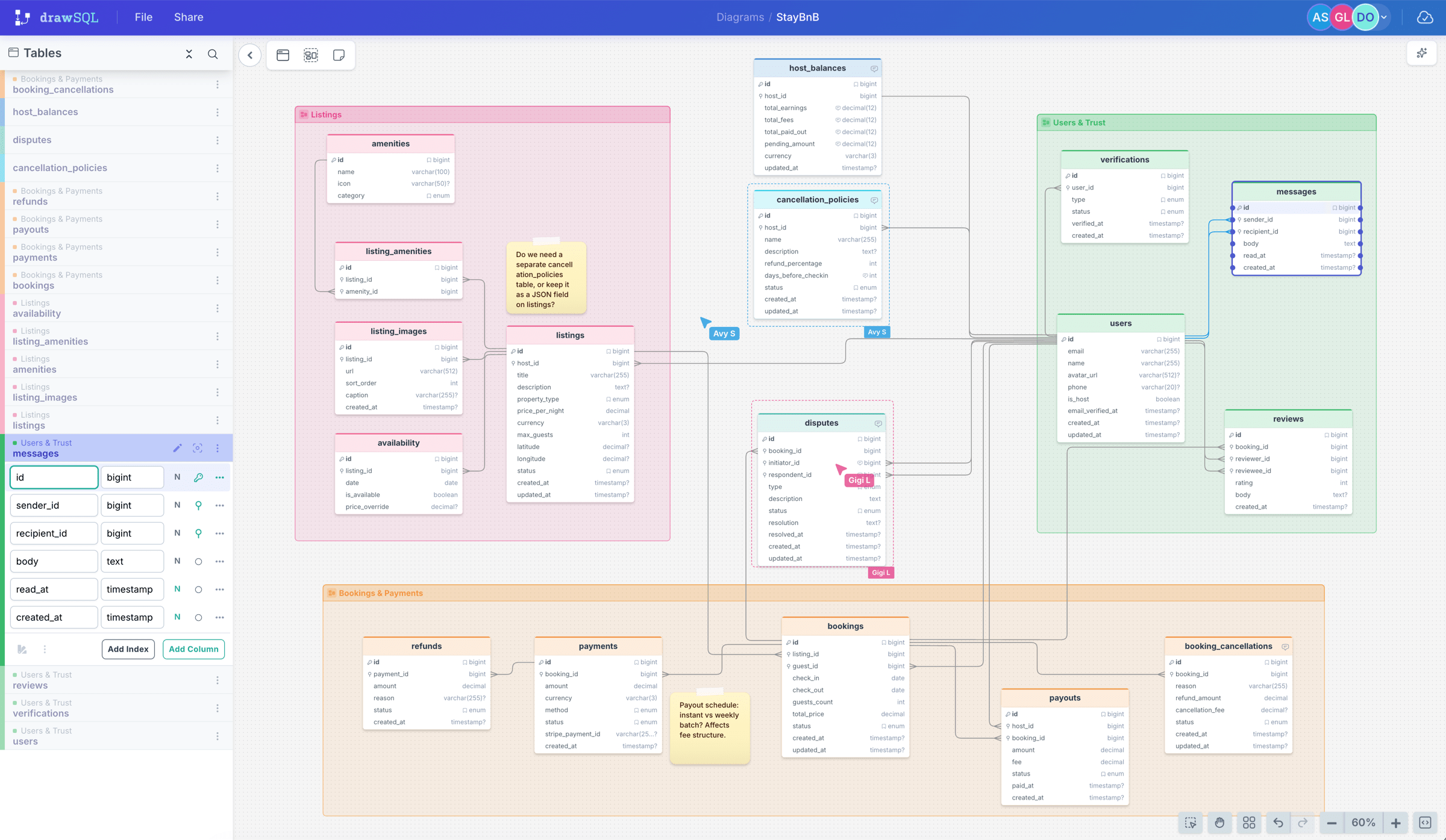
During my exploration of Drawsql, I conducted a practical test by importing an SQL database I was currently working on. The process was seamless, and I was impressed by how quickly the platform generated a detailed schema diagram. The clarity of the visualization was impressive, and it significantly helped in identifying relationships and potential areas of optimization within the database.
I also appreciated the real-time collaboration features when I invited a colleague to view the schema. We were able to discuss modifications and updates on the fly, which made our meeting far more productive than it would have been with a static diagram. Being able to see changes as they happened allowed us to iterate quickly and reach consensus on key design decisions.
Drawsql's interface kept our focus on the task at hand, with minimal distractions. I also enjoyed the simplicity of navigating through the various tables and their relationships, which made it easy to communicate our thoughts without needing to dive into technical SQL jargon.

How It Compares to Alternatives
In the world of database design and visualization, there are several alternatives to Drawsql, each with its own strengths and weaknesses. Compared to traditional diagramming tools, Drawsql offers a more dynamic and interactive experience. While other tools may require more setup time and often come with a steeper learning curve, Drawsql’s straightforward approach stands out for its user-friendliness.
Some users may prefer tools that offer additional features like deep analytics or integration with other platforms. However, for those primarily focused on schema visualization and collaboration, Drawsql simplifies the process without overwhelming users with unnecessary extras. It provides exactly what is needed for effective communication and project management, without the clutter.
In a side-by-side comparison, Drawsql proves to be a strong contender in the realm of database visualization tools, particularly for teams that prioritize collaboration and clarity in their workflows.

Pros and Cons
- User-Friendly Interface: Easy for anyone to navigate, regardless of technical experience.
- Real-Time Collaboration: Multiple users can work on the same schema together.
- Dynamic Visualizations: Interactive diagrams that allow users to explore relationships easily.
- Driver-Aware Types: Customization based on the specific SQL database being used.
- No Signup Required: Try it out without any commitment, making it accessible to all.
- Clear Communication: Enhances understanding within teams through visual representation.
- Limited Features: While great for visualization, it may lack advanced analytics or integrations found in other tools.
- Internet Dependency: Requires a stable internet connection for real-time collaboration.
- Learning Curve for Complex SQL: While it is user-friendly, users with complex SQL may require some time to adjust.
Price and How to Get the Best Deal
Drawsql stands out due to its completely free offering, which allows users to access most of its features without any upfront costs. This makes it a fantastic option for individuals or teams who want to experiment without financial commitment.
Since there are no hidden fees or premiums to worry about, the best way to maximize your experience would be to simply visit their homepage at [Drawsql](https://drawsql.app/?via=find) and start using the tool right away. Given its free nature, I recommend diving in and testing its features to see if it fits your workflow needs.
Check today's price and current deals at Drawsql
Tips
- **Start with a Simple Import:** When first using Drawsql, begin with a smaller database to familiarize yourself with the interface and functionalities.
- **Utilize Collaboration Features:** Encourage team members to join your workspace for real-time discussions and feedback on the schema.
- **Explore All Features:** Take time to explore each feature offered by Drawsql to fully leverage its capabilities in your projects.
- **Regular Updates:** Keep your schema updated as your database evolves, ensuring all team members are aligned.
- **Feedback Loop:** Set up a routine for reviewing the diagrams regularly to incorporate ongoing adjustments and improvements.
Who This Is Best For
Drawsql is an excellent tool for teams and individuals looking to streamline their database visualization process. It is particularly beneficial for:
- **Developers and Database Engineers:** Who need to visualize complex SQL databases for better understanding and optimization.
- **Project Managers:** Who want to communicate database structures clearly with team members.
- **Startups and Small Teams:** That require effective and free tools to manage their databases without heavy costs.
- **Students and Educators:** Who are learning about databases and need a practical tool for visual representation.
FAQ
1. Is Drawsql really free to use?
Yes, Drawsql offers its features for free with no signup required.
2. Can multiple users collaborate at the same time?
Yes, Drawsql supports real-time collaboration, allowing multiple users to work on the same diagram simultaneously.
3. What types of databases can I import into Drawsql?
Drawsql is designed to work with various SQL databases, adapting to your specific needs.
4. Do I need any technical knowledge to use Drawsql?
While some basic understanding of SQL can be helpful, Drawsql’s user-friendly interface makes it accessible for users of all levels.
5. Can I share my diagrams with others?
Yes, you can share your Drawsql diagrams easily with team members or stakeholders.
Final Verdict
In conclusion, Drawsql has proven itself to be a valuable tool for anyone who works with SQL databases. Its ability to provide real-time collaboration and dynamic visualizations offers a significant advantage over traditional, static diagramming tools. With its free access and easy-to-use interface, I highly recommend that teams and individuals give it a try.
If you're looking for a solution to enhance your database schema visualization process, look no further than Drawsql. Start your journey today by visiting [Drawsql](https://drawsql.app/?via=find) and see how it can transform your workflow!
See the latest Drawsql coupons and offers here

#DrawsqlReview #DrawsqlCouponCode #DrawsqlDiscount #DrawsqlBestPrice #DrawsqlDeals #DatabaseSchemaVisualization #SQLCollaborationTool #InteractiveSchemaDiagrams #FreeSQLTool #DrawsqlFeaturesReview #Drawsql #DrawsqlPromoCode