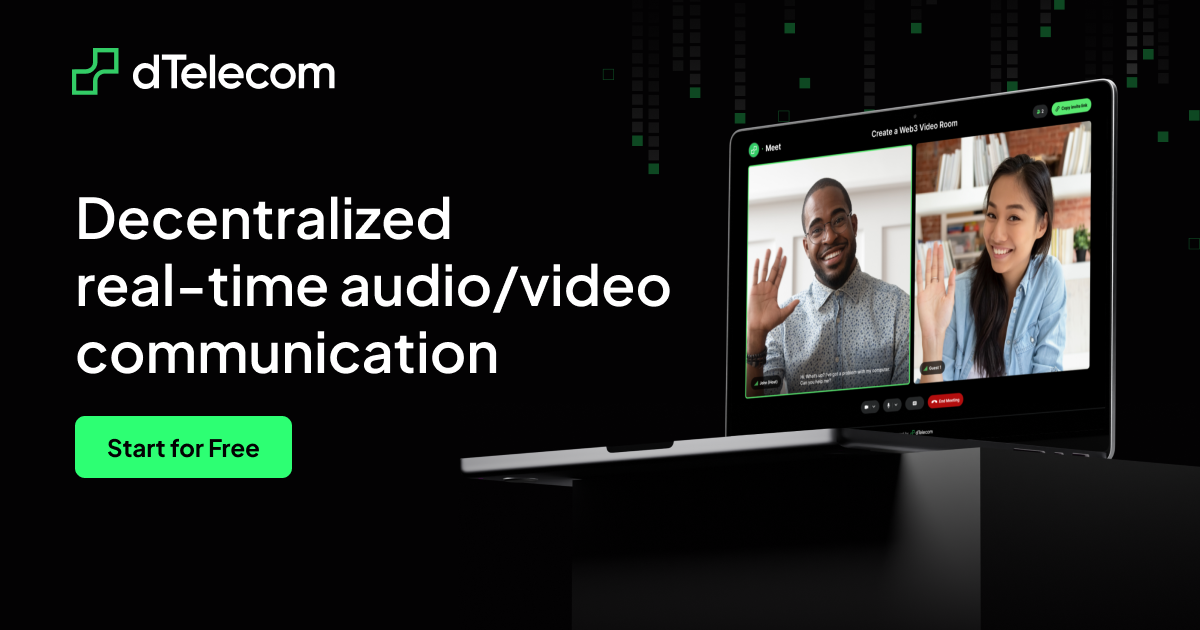
Every time I’ve had to build real-time video into an app, the bill from the big WebRTC providers has been the part that made me wince. So a developer platform promising the same audio/video and livestreaming capabilities at a fraction of the cost — on decentralized, open-source infrastructure — was worth a serious look. Here’s my honest, first-person take on dTelecom Cloud.
1. What Is dTelecom Cloud?
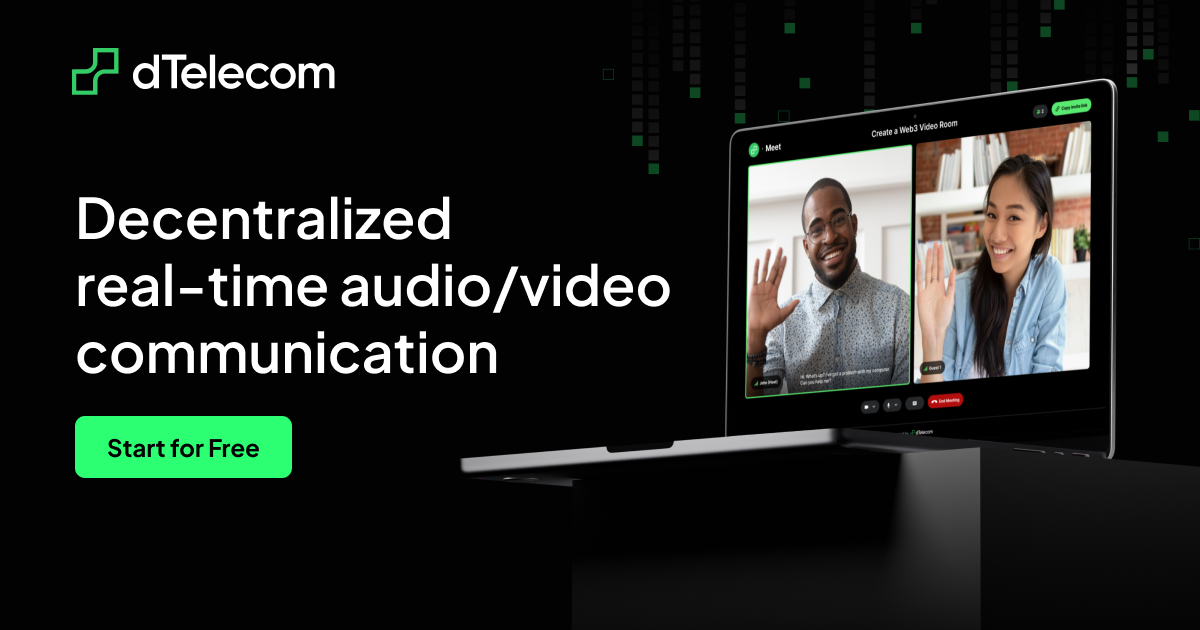
dTelecom Cloud is a decentralized live video SDK for developers. You use it to build audio/video conferencing and livestreaming directly into your app, running on a community-powered, decentralized infrastructure. The pitch: save up to 95% on real-time experiences versus traditional providers, with transparent pricing and open-source code. It scales from 1:1 calls up to very large live streams.
2. Who Is dTelecom Cloud Best For?
✅ Developers watching their WebRTC bill
If real-time video costs are eating your margins, the cost savings are the whole reason to look here.
✅ Teams building conferencing or livestream features
From compact classrooms and fitness apps to large virtual events and live commerce, the SDK targets exactly these embed-video use cases.
✅ Open-source and decentralization advocates
If you prefer open-source code and decentralized infrastructure over a closed proprietary stack, this is squarely aimed at you.
❌ Non-developers who want a ready-made meeting app
This is an SDK you build with, not a finished Zoom-style product. If you just want to host a call, it’s not for you.
❌ Teams needing a long track record and big-vendor SLAs
Decentralized, community-powered infrastructure is newer — if you require the guarantees of an established incumbent, weigh that carefully.
3. Core Features Breakdown
3.1 Audio/video conferencing SDK
Build multi-party calls supporting a very large number of participants with low (sub-500ms) latency — suitable for classrooms, fitness, and social apps.
3.2 Large-scale livestreaming
Go beyond calls to broadcast-style streams for virtual events and live commerce, scaling to large audiences.
3.3 Decentralized, open-source infrastructure
The network is community-powered and the code is open source, which underpins both the cost savings and the transparency.
3.4 Transparent, usage-based pricing
Pricing is metered and transparent, with a free monthly allotment to start building before you pay anything.
4. Pricing
dTelecom Cloud offers a free tier and transparent, usage-based pricing. Based on the site at the time of writing:
- Free — $0 to start, with a free monthly bandwidth allotment (advertised as 50 Mbps/month) for unlimited online participants.
- Paid tiers — the site shows scaling plan amounts (figures such as $400, $1,540, and $3,600 appear for larger bandwidth/usage tiers).
- Usage-based rate — metered pricing referenced around $0.00399 per unit of usage, reflecting the “up to 95% savings” claim versus traditional providers.
Exact tier definitions and units can change — check dTelecom’s current pricing page for the precise numbers before building on it.
5. Pros & Cons
Pros: potentially large cost savings on real-time video; open-source and transparent; scales from 1:1 to very large streams; low latency; generous free tier to start.
Cons: it’s an SDK, not a finished app; decentralized infrastructure is newer and less battle-tested than incumbents; usage-based pricing requires you to model your own volume; enterprise-grade SLAs may be a consideration.
6. dTelecom Cloud vs Agora / Twilio Video
Agora and Twilio are the established real-time video giants — mature, feature-rich, and priced accordingly. dTelecom’s pitch is delivering comparable core capabilities on decentralized infrastructure for a fraction of the cost, with open-source code. If cost and openness matter most, dTelecom is compelling; if you need a long track record and heavy enterprise support, the incumbents still hold an edge.
7. Final Verdict: Is dTelecom Cloud Worth It in 2026?
For developers whose real-time video costs are out of control, dTelecom Cloud is genuinely worth evaluating — the potential savings are hard to ignore, and the free tier makes testing low-risk. Just go in clear-eyed that it’s an SDK on newer decentralized infrastructure, so validate reliability for your use case before betting production traffic on it. Start free, benchmark it against your current provider, and let the numbers decide.
Frequently Asked Questions
Is dTelecom Cloud open source?
Yes — the platform emphasizes open-source code and decentralized, community-powered infrastructure.
How many participants can it handle?
It scales from 1:1 calls up to very large audiences (the site references up to 100,000 participants for streaming use cases).
Is there a free tier?
Yes, you can start for free with a monthly bandwidth allotment before moving to paid usage.
How much can it save me?
dTelecom advertises up to 95% savings on real-time experiences versus traditional providers — validate against your own usage.
Is it a finished app or an SDK?
It’s an SDK you integrate into your own app, not a ready-made meeting product.
👉 Where to Get dTelecom Cloud
You can start for free and explore the pricing here: Try dTelecom Cloud.
Affiliate disclosure: the link above is an affiliate link. If you sign up through it, I may earn a commission at no extra cost to you. This review reflects my own hands-on evaluation.