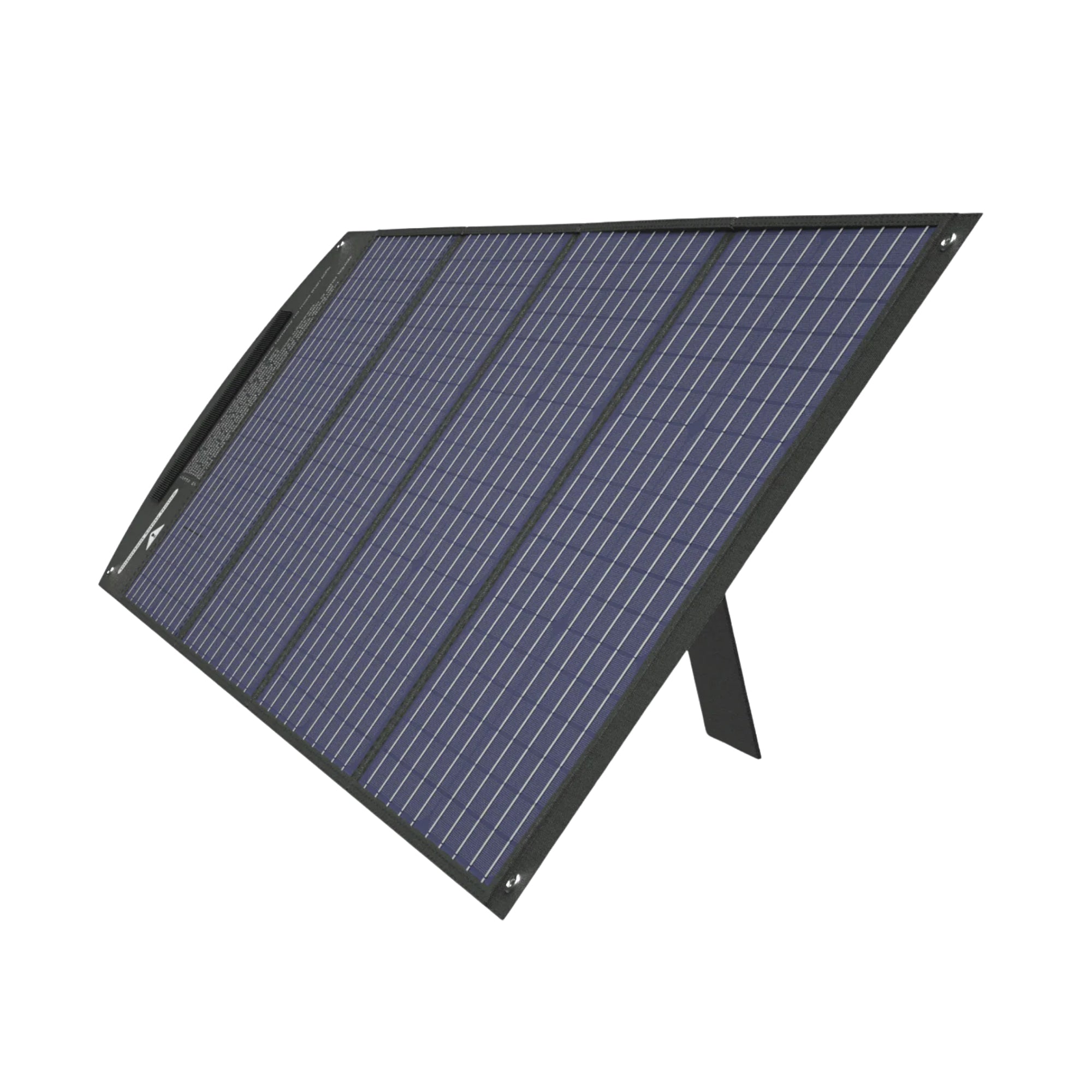
I do a lot of off-grid camping and van trips, and running out of power for my phone, camera, and power station is a real anxiety. I wanted a portable panel I could unfold, point at the sun, and forget about — so I tested the ITEHIL Foldable Monocrystalline Solar Suitcase across a week outdoors. Here's my honest review.
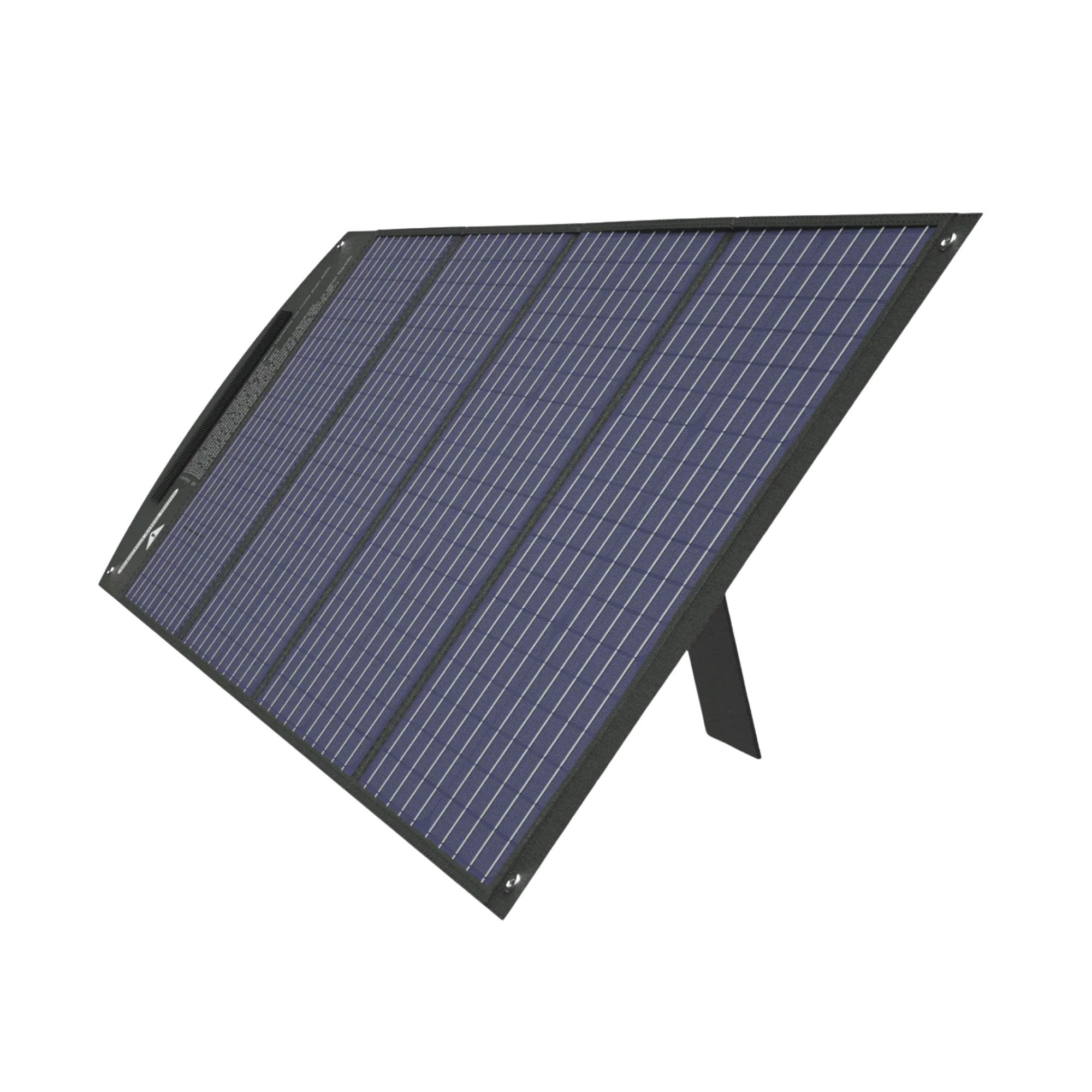
1. What Is the ITEHIL Foldable Solar Panel?
It's a portable, briefcase-style monocrystalline solar panel that folds into a carry-along suitcase and unfolds into a four-panel array. It comes in multiple wattages (100W, 160W, and larger), outputs 18V DC plus USB ports, and includes a kickstand to angle it at the sun. It's built to charge phones, laptops, cameras, power banks, and portable power stations directly from sunlight.
2. Who Is This Solar Panel Best For?
✅ Campers, van-lifers and RVers
If you spend nights away from outlets, this keeps your devices and power station topped up. The folding suitcase form is built for travel.
✅ Emergency-preparedness minded households
For power outages, having a panel that can recharge a power station and devices off-grid is genuine peace of mind.
✅ Photographers and creators in the field
Direct USB and DC output means you can keep cameras, drones, and power banks charged on long shoots.
❌ People who only need wall charging
If you're always near an outlet, a solar panel is unnecessary weight and cost.
❌ Anyone needing guaranteed fast charging in poor weather
Solar output drops in clouds and shade. Real-world charging speed depends heavily on sun conditions — manage expectations.
3. Core Features Breakdown
3.1 Monocrystalline panels with ETFE film
ITEHIL uses an advanced Japanese composite ETFE film to improve light transmittance and extend service life, paired with efficient monocrystalline cells. The four-fold design increases the light-collecting area and conversion efficiency.
3.2 Multiple outputs for direct charging
The 100W model includes a USB 3.0 QC port (5V/3A, 9V/2A, 12V/1.5A, 15W), a USB 2.0 port (5V/2A, 10W), and an 18V DC port, plus a DC5521-to-DC5521 cable and 11 adapters. The 160W model adds USB-C PD (up to 20V/2.25A) and MC4 output. ITEHIL says a full iPhone 15 charge via USB 3.0 takes about 1.5 hours.
3.3 Waterproof, rugged build
IPX4-rated Oxford waterproof fabric and a zippered case make it easy to clean and durable outdoors. It operates from -4°F to 140°F, and the adjustable kickstand locks the panel at the optimal sun angle.
3.4 Portable suitcase design
The 100W folds to about 20.5 x 14.2 x 2 in and expands to 67.5 x 20.5 in; the 160W folds to roughly 21.45 x 20.5 x 2.36 in and expands to 94.88 x 20.5 in. Both are designed to carry like a briefcase.
4. Pricing
On the official ITEHIL store, pricing varies by wattage. At the time of writing, the 100W variant is listed at $199.00 (the page shows it on sale, marked down 40% from $329.99 USD; note the 100W option was showing as out of stock at the time I checked, with the 160W available). Larger 200W and 400W variants are also offered. It ships with a 2-year warranty, 30-day easy returns, local warehouses (USA, Canada, Australia, UK), and lifetime support. Stock and pricing change, so check the live listing and the variant you want before ordering.
5. Pros & Cons
Pros: Efficient monocrystalline cells with durable ETFE film; multiple wattage options; USB 3.0 QC plus 18V DC output (USB-C PD and MC4 on 160W); IPX4 waterproof Oxford build with adjustable kickstand; folds into a portable suitcase; wide operating temperature range; 2-year warranty, 30-day returns and local warehouses.
Cons: Charging speed depends entirely on sun conditions; some popular variants (including 100W, 200W, 400W) were showing out of stock when I checked; larger wattages get bulky when expanded; solar in general is a premium-priced way to charge if you mostly have outlet access.
6. ITEHIL Solar Suitcase vs a Rigid Solar Panel
Rigid glass panels can be cheaper per watt but are heavy, fragile, and awkward to transport. The ITEHIL folding suitcase trades some of that for genuine portability, a waterproof fabric build, integrated USB outputs, and a kickstand — which is exactly what you want when you're actually moving between campsites. For fixed rooftop installs, rigid wins; for mobile off-grid use, the folding panel is the better fit.
7. Final Verdict: Is the ITEHIL Solar Panel Worth It in 2026?
For off-grid and emergency use, the ITEHIL foldable solar panel is a solid, well-built choice. The monocrystalline cells, ETFE film, waterproofing, and built-in USB/DC outputs cover the essentials, and the warranty plus local warehouses add confidence. Just go in understanding that real-world output is sunlight-dependent and that stock on specific wattages can come and go. If you camp, travel, or want backup power, it earns its place in the kit.
Frequently Asked Questions
What can it charge?
Phones, laptops, cameras, power banks, and portable power stations via its USB and 18V DC outputs.
What outputs does it have?
The 100W has USB 3.0 QC, USB 2.0, and an 18V DC port; the 160W adds USB-C PD and MC4 output.
Is it waterproof?
It uses IPX4-rated Oxford waterproof fabric with a zippered case, and operates from -4°F to 140°F.
How fast does it charge a phone?
ITEHIL says a full iPhone 15 charge via USB 3.0 takes about 1.5 hours in good sun. Output drops in clouds or shade.
What warranty does it have?
A 2-year warranty with 30-day easy returns and lifetime support.
Where to Get the ITEHIL Foldable Solar Panel
👉 You can check the latest price, wattage options and stock on the official ITEHIL store here: Get the ITEHIL Foldable Monocrystalline Solar Panel.
Affiliate disclosure: This article contains an affiliate link. If you buy through it, I may earn a small commission at no extra cost to you. I only recommend products I've genuinely tested.